Understanding the Differences: UAVs vs Drones and Their Practical Applications
Defining UAVs and Drones
Unmanned Aerial Vehicles (UAVs) and drones are often used interchangeably, but the two terms actually refer to different concepts in the realm of aviation. UAVs are a broader category that includes any aircraft that operates without a human pilot on board. This encompasses a variety of technology used for various purposes. On the other hand, the term “drone” is frequently popularized for consumer devices, often associated with recreational flying and aerial photography.
Understanding the nuances between UAVs and drones is essential for grasping their respective practical applications. Companies like acecoretechnologies are leading the way in developing cutting-edge UAV technologies that cater to professional fields like agriculture, surveillance, and delivery systems.
Types of UAVs and Drones
UAVs can be categorized into several types based on their design, function, and operational capabilities. Here are some common types:
- Fixed-Wing UAVs: These resemble traditional airplanes and are suited for long-range flights.
- Multi-Rotor Drones: Equipped with multiple rotors, these drones are agile and perfect for short-range activities.
- Single-Rotor Drones: Like helicopters, they offer higher lift and are efficient for vertical takeoff.
- Hybrid UAVs: Combining the characteristics of fixed-wing and multi-rotor drones, these offer versatility in various applications.
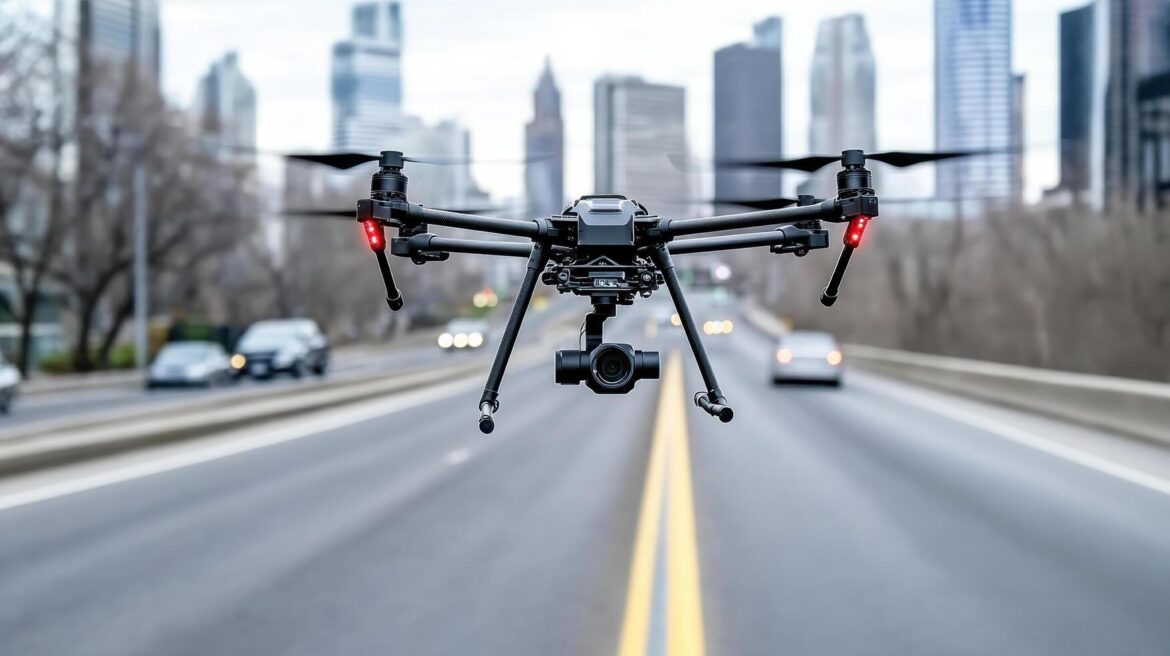
In contrast, consumer drones typically fall under the category of multi-rotor types. They are popular for personal use, particularly in photography and drone racing. Understanding the variations between these types can help users select the right technology for their specific needs.
Practical Applications of UAVs and Drones
Both UAVs and drones have found practical applications across various industries, greatly enhancing efficiency and data collection. Some significant applications include:
- Aerospace and Defense: Military UAVs are utilized for reconnaissance, surveillance, and combat operations.
- Agriculture: UAVs are increasingly used to monitor crop health, assess land quality, and even apply fertilizers.
- Logistics: Many companies are exploring drone technology for last-mile delivery solutions.
- Construction: Drones help in mapping, surveying, and monitoring construction sites, ensuring project efficiency.
- Environmental Monitoring: UAVs assist scientists in tracking wildlife migrations and assessing natural disasters.
The versatility of UAV technology allows for tailored solutions that meet the specific needs of different sectors. As industries continue to innovate, the reliance on UAVs, especially in specialized tasks, will likely increase.
Understanding Regulations and Safety Concerns
While the benefits of UAVs and drones are extensive, they are also subject to strict regulations aimed at ensuring safety in airspace. Organizations such as the Federal Aviation Administration (FAA) have established rules that govern UAV operations to minimize risks. This includes guidelines on where, when, and how drones can be flown.
Moreover, safety concerns extend beyond airspace regulations. Issues like drone privacy, security breaches, and potential accidents pose risks that users must consider. Understanding these regulations will help both commercial and recreational users operate drones responsibly.
Innovations Driving Future Developments
The field of UAVs and drones is constantly evolving due to advancements in technology. Innovations in artificial intelligence, machine learning, and sensor technology are paving the way for smarter, more efficient systems. Companies like acecoretechnologies are at the forefront of integrating these technologies into their UAVs, enabling autonomous operations that were once the stuff of science fiction.
As technology progresses, expect to see even broader applications in fields like medical delivery, disaster response, and urban planning. The future of UAVs and drones holds promising possibilities for enhanced connectivity and service delivery worldwide.
Charting the Future of Aviation
In an era where drone and UAV technology transforms various industries, understanding the distinction between the two is essential. As we move forward, their potential applications will continue to grow, changing the landscape of how we approach tasks across different sectors. By staying informed about developments in UAV technology, users can harness these tools for a brighter, more efficient future.